Menstrual health

Menstrual health without stigma

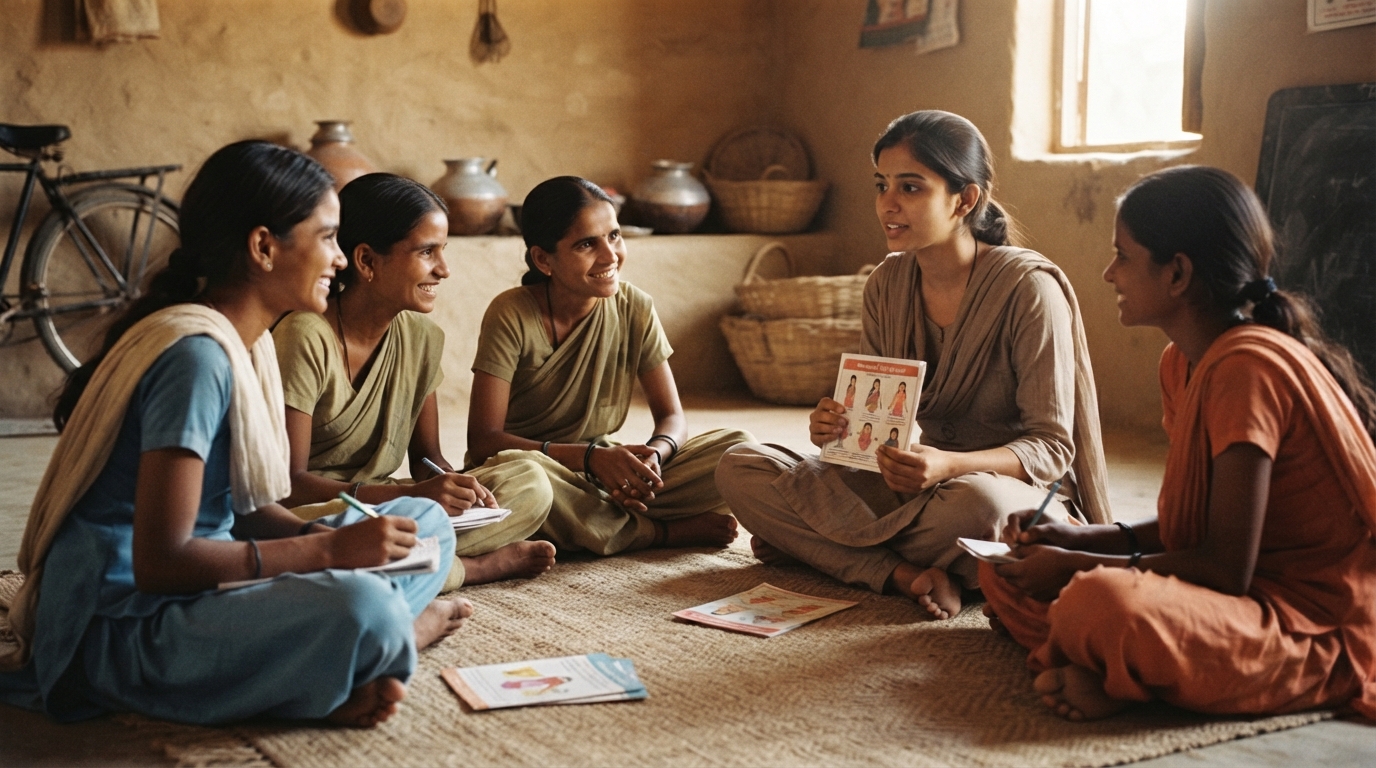
Adolescent girls and a young facilitator in a relaxed, dignified awareness session. Representative image. Representative image

Menstruation is a normal, healthy part of life for half the population. Yet in many villages it is still wrapped in silence, shame, and rules that no one questions. Girls are told not to enter the kitchen, not to touch certain foods, not to speak of it at all. This silence does real harm. It leaves young women confused about their own bodies and cut off from simple information that could keep them healthy.

The facts, plainly

A period is the monthly shedding of the lining of the uterus. It usually begins between the ages of 11 and 15, and comes roughly once a month until menopause. Cycles can be irregular in the first year or two, and that is normal. Some cramping is common and can be eased with rest, a warm compress, or ordinary pain relief.

None of this is dirty or dangerous. A period is not an illness, and a menstruating girl is not impure. She can cook, study, play, worship, and bathe as usual. In fact, regular bathing during periods is good for you, not harmful.

Hygiene that protects health

Good menstrual hygiene is simple, but it depends on having the right materials and a little privacy. The basics are:

  • Use a clean absorbent: a sanitary pad, a clean cloth, or a menstrual cup
  • Change it every four to six hours, more often on heavy days
  • Wash hands before and after changing
  • If using cloth, wash it with soap and dry it fully in sunlight, not hidden away damp
  • Dispose of used pads wrapped and in a bin, never flushed

Sunlight matters. A cloth dried in the open sun is far safer than one hidden to avoid embarrassment. Damp, hidden cloth can cause infection, and the shame that forces it into hiding is part of the problem.

Why stigma is the real risk

The NFHS-5 survey found that close to half of young rural women still lack regular access to hygienic menstrual products. Cost is one reason. Silence is another. When periods cannot be discussed, girls miss school, use unsafe materials, and carry needless fear. Some drop out of studies altogether once they begin menstruating.

Breaking this silence does not require grand gestures. It starts with adults, mothers, fathers, brothers, and teachers, treating periods as ordinary. A father who buys pads without shame, a teacher who answers a question calmly, a brother who does not tease: each one makes a real difference.

Supporting the girls around us

Adolescent girls need three things: clear information, safe materials, and the confidence that they will not be shamed for asking. Families can keep spare pads or clean cloth ready, talk openly, and make sure a girl never has to miss school because of her period.

Where our work fits

Jeevan Shobha is just beginning. Our planned camps aim to bring stigma-free menstrual health sessions to villages, along with pads and honest answers to the questions girls are often afraid to ask. We do not have all the answers yet, and we will keep learning from the women and girls we meet.

A period is simply a sign of a healthy body. Treated with openness instead of shame, it becomes what it always should have been: ordinary.

मासिक धर्म आधी आबादी के जीवन का एक सामान्य और स्वस्थ हिस्सा है। फिर भी कई गाँवों में यह आज भी चुप्पी, शर्म और ऐसे नियमों में लिपटा रहता है जिन पर कोई सवाल नहीं करता। लड़कियों से कहा जाता है कि रसोई में न जाओ, कुछ चीज़ों को न छुओ, इसके बारे में बात ही न करो। यह चुप्पी सचमुच नुक़सान पहुँचाती है। यह युवतियों को उनके अपने शरीर के बारे में उलझन में छोड़ देती है और उस जानकारी से दूर कर देती है जो उन्हें स्वस्थ रख सकती है।

सीधी-सादी बातें

मासिक धर्म हर महीने गर्भाशय की परत का बाहर निकलना है। यह आमतौर पर 11 से 15 वर्ष की उम्र के बीच शुरू होता है और रजोनिवृत्ति तक लगभग हर महीने आता है। पहले एक-दो साल में चक्र अनियमित हो सकते हैं, और यह सामान्य है। कुछ ऐंठन होना आम बात है, जिसे आराम और गर्म सिकाई से कम किया जा सकता है।

इसमें न कुछ गंदा है, न ख़तरनाक। मासिक धर्म कोई बीमारी नहीं है, और माहवारी वाली लड़की अपवित्र नहीं होती। वह पहले की तरह खाना बना सकती है, पढ़ सकती है, खेल सकती है, पूजा कर सकती है और नहा सकती है। असल में, माहवारी के दौरान नियमित रूप से नहाना अच्छा है, हानिकारक नहीं।

स्वच्छता जो सेहत की रक्षा करती है

अच्छी मासिक स्वच्छता सरल है, पर इसके लिए सही सामग्री और थोड़ी निजता ज़रूरी है। बुनियादी बातें ये हैं:

  • साफ़ शोषक इस्तेमाल करें: सैनिटरी पैड, साफ़ कपड़ा या मेंस्ट्रुअल कप
  • इसे हर चार से छह घंटे में बदलें, ज़्यादा रक्तस्राव वाले दिनों में और जल्दी
  • बदलने से पहले और बाद में हाथ धोएँ
  • कपड़ा इस्तेमाल करें तो उसे साबुन से धोकर धूप में पूरी तरह सुखाएँ, नमी में छिपाकर नहीं
  • इस्तेमाल किए पैड को लपेटकर कूड़ेदान में डालें, कभी बहाएँ नहीं

धूप मायने रखती है। खुली धूप में सुखाया कपड़ा उस कपड़े से कहीं ज़्यादा सुरक्षित है जिसे शर्म के कारण छिपा दिया जाता है। नम और छिपाया हुआ कपड़ा संक्रमण का कारण बन सकता है।

असली ख़तरा कलंक है

एनएफएचएस-5 सर्वेक्षण में पाया गया कि लगभग हर दूसरी ग्रामीण युवती को आज भी स्वच्छ मासिक उत्पाद नियमित रूप से उपलब्ध नहीं हैं। एक कारण क़ीमत है। दूसरा कारण चुप्पी है। जब माहवारी पर बात नहीं हो सकती, तो लड़कियाँ स्कूल छोड़ देती हैं, असुरक्षित सामग्री इस्तेमाल करती हैं और बेवजह डर उठाती हैं।

इस चुप्पी को तोड़ने के लिए बड़े कदमों की ज़रूरत नहीं। इसकी शुरुआत इससे होती है कि बड़े लोग, माँ, पिता, भाई और शिक्षक, माहवारी को सामान्य मानें। बिना झिझक पैड ख़रीदने वाला पिता, शांति से सवाल का जवाब देने वाली शिक्षिका, चिढ़ाने के बजाय समझने वाला भाई: हर कोई सचमुच फ़र्क़ लाता है।

अपने आसपास की लड़कियों का साथ

किशोरियों को तीन चीज़ें चाहिए: स्पष्ट जानकारी, सुरक्षित सामग्री, और यह भरोसा कि पूछने पर उन्हें शर्मिंदा नहीं किया जाएगा। परिवार अतिरिक्त पैड या साफ़ कपड़ा तैयार रख सकते हैं, खुलकर बात कर सकते हैं, और ध्यान रख सकते हैं कि किसी लड़की को माहवारी के कारण स्कूल न छोड़ना पड़े।

हमारा काम कहाँ जुड़ता है

जीवन शोभा अभी शुरुआत कर रहा है। हमारे प्रस्तावित शिविरों का लक्ष्य गाँवों तक कलंक-मुक्त मासिक स्वास्थ्य सत्र पहुँचाना है, साथ में पैड और उन सवालों के ईमानदार जवाब जिन्हें पूछने से लड़कियाँ अक्सर डरती हैं। हमारे पास अभी सारे जवाब नहीं हैं, और हम मिलने वाली महिलाओं तथा लड़कियों से लगातार सीखते रहेंगे।

माहवारी बस एक स्वस्थ शरीर का संकेत है। शर्म के बजाय खुलेपन के साथ अपनाई जाए, तो यह वही बन जाती है जो इसे हमेशा से होना चाहिए था: सामान्य।